Best Ways to Collect Customer Feedback in Electronics Stores
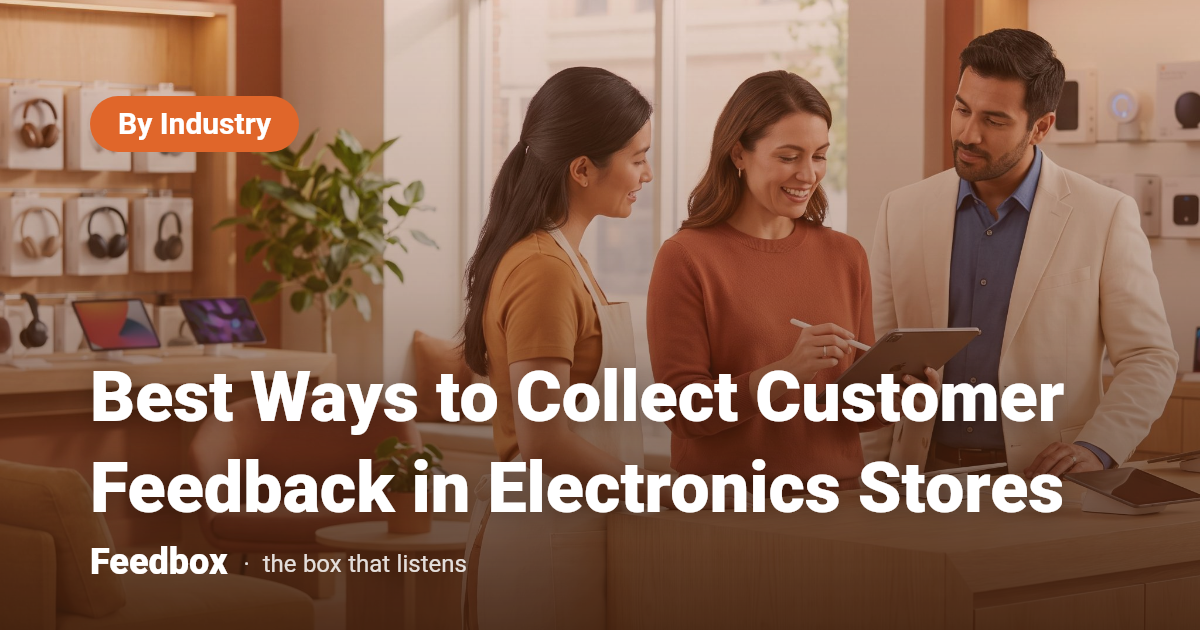
Collecting customer feedback in electronics stores is crucial for staying competitive and meeting customer expectations. Explore proven strategies to gather and act on valuable insights.
Why Customer Feedback Matters in Electronics Stores
In the fast-evolving world of electronics and digital devices, customer expectations are higher than ever. Collecting customer feedback in electronics stores is not just about hearing compliments or complaints—it’s about understanding real needs, preventing silent churn, and staying ahead of competitors. According to research, only 1 in 26 unhappy customers actually complains; the rest simply leave, often without a trace, highlighting the importance of proactive feedback collection [2]. Furthermore, 85% of customers who left a provider said they would have stayed if their problem had been addressed, proving that silence is rarely a sign of satisfaction [3].
The High Cost of Ignoring Customer Feedback
Neglecting customer feedback can have severe financial consequences. Acquiring a new customer can cost five to twenty-five times more than keeping an existing one, and even a small increase in retention can significantly boost profits [4]. In fact, a majority of consumers say they would switch to a competitor after just one bad experience, and this tolerance is declining year by year [5]. Electronics stores operate in a highly competitive market, making every customer interaction critical for long-term success.
Top Methods to Collect Customer Feedback in Electronics Stores
There are several effective ways to gather feedback in electronics and digital device retail environments. Here are the most practical and impactful methods:
- Digital Feedback Kiosks: Set up user-friendly kiosks or QR codes at checkout points, allowing customers to leave voice or text feedback anonymously and instantly. Tools like Feedbox make this simple for both staff and customers.
- Email and SMS Surveys: Collect customer contact details during purchase and follow up with short, targeted surveys. This works well for post-purchase experiences or product support.
- In-Person Conversations: Encourage staff to ask open-ended questions during sales or after-service interactions. While less scalable, this adds a personal touch and uncovers detailed insights.
- Social Media Monitoring: Track and respond to feedback on platforms like Instagram, Twitter, and online forums, where customers often share candid opinions.
- Receipt-Based Surveys: Print survey links or QR codes on receipts, inviting customers to share their experience at their convenience.
Encouraging Honest and Actionable Feedback
Customers are more likely to provide feedback when they feel their input is anonymous, quick, and valued. Electronics stores should make the process as frictionless as possible—offering instant access through QR codes, short surveys, and assurances of privacy. Additionally, communicating how feedback leads to real improvements can motivate more customers to participate. Remember, the absence of complaints does not mean customers are satisfied; it may signal that they have already decided not to return [3].
Turning Feedback Into Real Improvements
Collecting feedback is only the first step. Electronics stores must analyze responses, identify trends, and implement tangible changes. Share improvements with your staff and, where appropriate, with customers. This closes the feedback loop and demonstrates that you listen and act on input, increasing customer trust and loyalty. According to PwC, 52% of consumers stopped buying from a brand after a bad experience, and 32% would leave a brand they love after just one bad encounter [1]. Rapid action on feedback helps prevent these costly losses.
Best Practices for Ongoing Feedback Collection
Sustained success in electronics retail depends on integrating feedback collection into daily operations. Rotate survey questions to cover different aspects of the customer journey, regularly train staff on listening skills, and use tools that make feedback easy to give and analyze. Solutions like Feedbox can simplify this process, offering both voice and text options for anonymity and ease.
FAQ
Why is customer feedback so important for electronics stores?
Customer feedback helps electronics stores identify issues, improve service, and stay competitive. Most dissatisfied customers don’t complain—they simply leave, making proactive feedback collection vital [2][3].
How can electronics stores increase feedback response rates?
Make feedback easy and anonymous, use digital tools like QR codes, keep surveys short, and communicate how feedback leads to improvements.
What should stores do after collecting customer feedback?
Analyze responses for trends, implement changes based on insights, and close the loop by informing staff and customers about improvements made.
Is it more expensive to attract new customers than to keep existing ones?
Yes. Acquiring new customers costs five to twenty-five times more than retaining current ones, and even small increases in retention can dramatically boost profits [4].
What are some effective feedback tools for electronics stores?
Digital kiosks, QR code-based systems like Feedbox, email/SMS surveys, and social media monitoring are all effective for gathering actionable feedback.