How Customer Feedback Helps Coffee Shop Chains Improve Experience
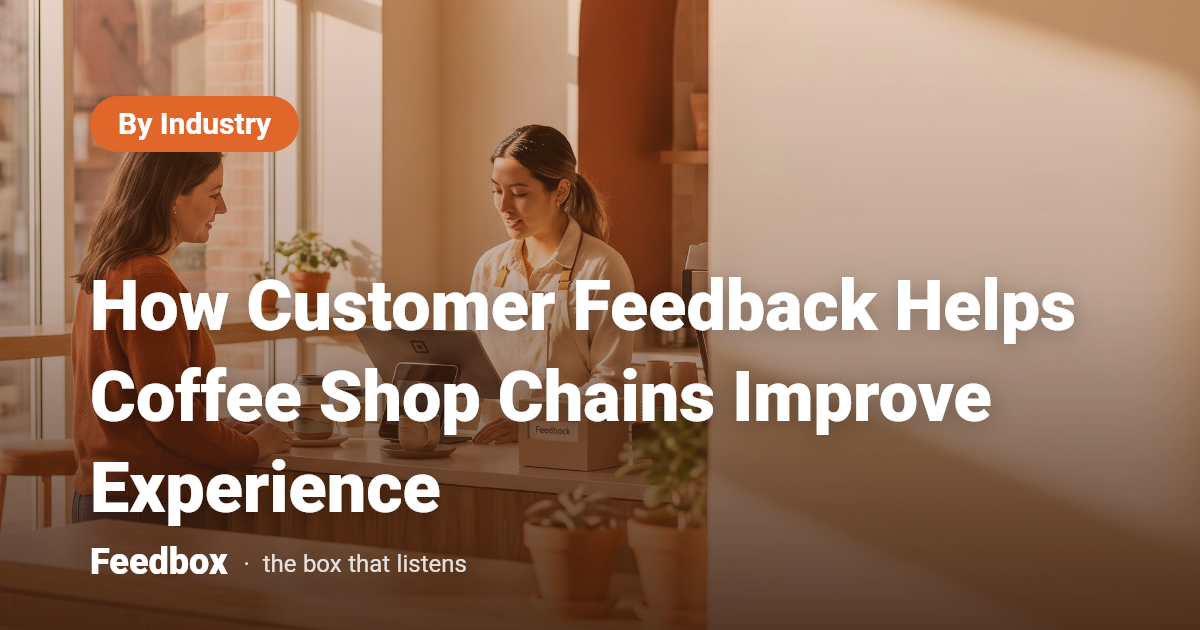
Customer feedback is a powerful tool for coffee shop chains aiming to improve their customer experience, foster loyalty, and stay ahead of competitors. Learn how top brands use feedback to drive meaningful changes and lasting success.
Why Customer Feedback Matters for Coffee Shop Chains
For any coffee shop chain, delivering an excellent customer experience is crucial to building loyalty and staying competitive. The primary way to understand what customers actually value—and where they encounter problems—is through direct feedback. Research shows that about 52% of consumers have stopped buying from a brand after a bad experience, and even loyal customers may leave after just one mistake [1].
Given the fierce competition and high expectations in the coffee shop sector, listening to what customers say (and don’t say) can make the difference between thriving and losing out to rivals.
The Reality of Silent Churn: Most Unhappy Customers Don’t Complain
Coffee shop managers may think that few complaints mean most customers are satisfied—but this is often misleading. In fact, only about 1 in 26 unhappy customers will actually bother to complain; the rest simply stop returning [2]. This phenomenon, known as 'silent churn', can quietly erode a coffee shop chain’s customer base without any obvious warning signs.
A recent study found that 85% of customers who left a provider would have stayed if their problem had been addressed [3]. This means that creating low-friction, anonymous ways for customers to share their concerns—such as QR-based feedback tools—can surface issues before they lead to lost business.
- Silent churn can be more damaging than visible complaints.
- Absence of direct feedback is not a sign of satisfaction.
- Encouraging more feedback helps chains address problems early.
How Coffee Shop Chains Collect and Act on Customer Feedback
Leading coffee shop chains use a mix of methods to gather feedback: online surveys, mobile apps, social media monitoring, and in-store feedback boxes. Increasingly, chains are adopting digital solutions like Feedbox, which allow customers to leave anonymous voice or text feedback instantly via QR codes.
What matters most is making feedback effortless and safe for customers. Chains that succeed at this gather more actionable insights, identify trends faster, and can react before negative experiences affect wider groups of customers.
- Place QR codes on tables or receipts for instant access.
- Offer both voice and text options to suit preferences.
- Promote feedback tools as a way to improve service, not just rate it.
Turning Feedback into Experience Improvements
The value of customer feedback coffee shop chain programs comes from action, not just collection. Chains that regularly review and respond to feedback can address individual concerns and spot larger patterns—such as recurring complaints about wait times, cleanliness, or staff friendliness.
By prioritizing and resolving common issues, coffee shop chains show customers that their voices matter. This not only fixes problems but also encourages more feedback in the future.
The Business Case: Retention, Loyalty, and Profitability
Improving customer experience through feedback isn’t just about avoiding complaints—it’s a proven way to boost retention and profitability. Acquiring new customers is estimated to cost 5–25 times more than keeping existing ones, and even a small (5%) increase in retention can raise profits by up to 95% [4].
Moreover, tolerance for bad experiences is falling: around 63% of consumers now say they would switch to a competitor after just one bad experience [5]. Coffee shop chains that take feedback seriously can protect their customer base and outperform less responsive rivals.
Practical Tips: Getting More and Better Feedback
To maximize the benefits of customer feedback coffee shop chain strategies, consider these practical steps:
1. Make feedback easy and anonymous—QR codes and digital tools can help.
2. Actively promote your feedback channels and explain how input is used.
3. Close the loop with customers: when changes are made, let them know.
4. Train staff to encourage feedback and respond positively to criticism.
By embedding a feedback-driven culture, coffee shop chains can continue to evolve, delight customers, and build lasting loyalty.
FAQ
Why don’t more customers complain directly to coffee shop chains?
Most unhappy customers prefer to leave silently rather than confront staff or fill out lengthy surveys. Making it easy and anonymous to give feedback increases the likelihood issues will be reported.
How can coffee shop chains encourage honest feedback?
Chains can use digital, anonymous tools (like Feedbox), reassure customers their input is valued, and act visibly on feedback to demonstrate its impact.
What are the biggest benefits of collecting customer feedback?
Feedback uncovers hidden problems, helps prioritize improvements, boosts customer retention, and can significantly increase profitability.
How should coffee shop chains act on negative feedback?
Address individual complaints quickly, look for patterns in feedback, and implement changes to prevent future issues. Communicating these improvements to customers also builds trust.
Is silence from customers a sign of satisfaction?
No—lack of complaints often means customers are leaving without saying why. Active feedback collection is needed to understand true satisfaction.