How to Use Customer Feedback for a Personalized Customer Experience
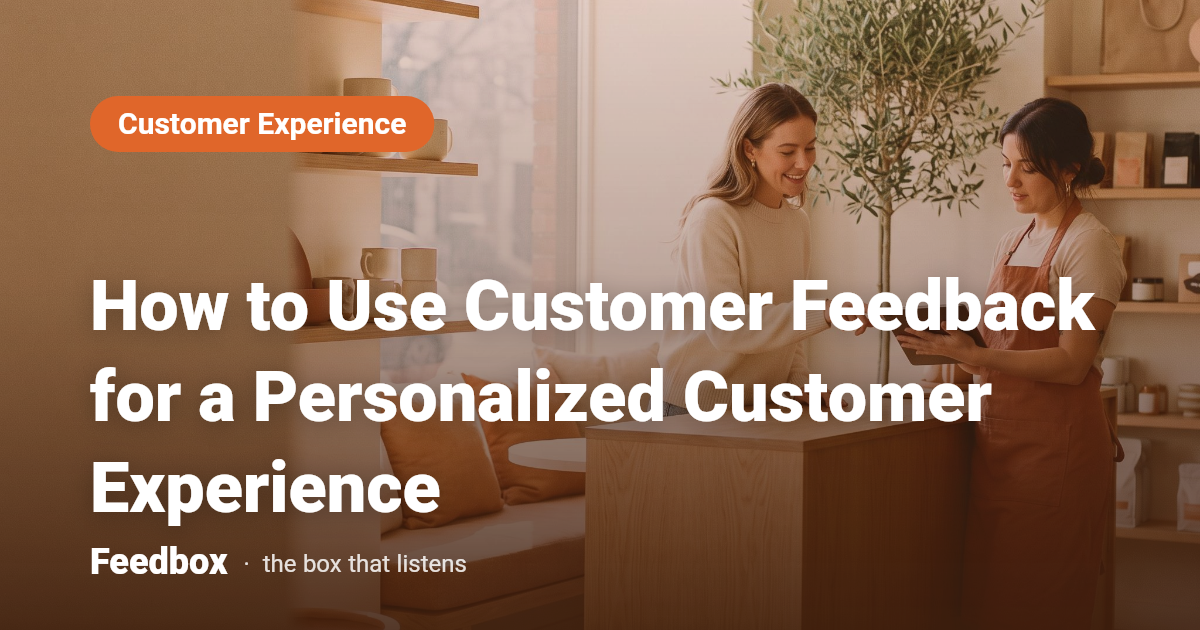
Customer feedback is essential for creating a personalized customer experience in-store. Discover practical strategies to collect and act on feedback for better engagement and retention.
Why Personalized Customer Experience Matters
Today's consumers expect businesses to recognize their preferences and create engaging, tailored experiences. A personalized customer experience goes beyond polite service; it means adapting your offerings, environment, and interactions to fit individual needs. When customers feel understood, their loyalty deepens—and the business reaps the benefits.
Research shows that a single negative experience can drive customers away, even from brands they love. In fact, 32% of consumers say they would walk away from a brand they care about after just one bad encounter, and 52% have stopped buying from a company because of poor experiences [1].
- Personalization increases customer satisfaction
- Customers are less tolerant of generic service
- Negative experiences have immediate business costs
The Hidden Risk: Silent Churn and Missed Feedback
Many businesses wrongly assume that a lack of complaints means customers are happy. In reality, only about 1 in 26 unhappy customers will speak up; the vast majority simply leave without saying a word [2]. This phenomenon, known as 'silent churn,' is a major threat: 85% of departing customers say they would have stayed if their issue had been resolved [3].
The absence of feedback is not a sign of satisfaction. Failing to capture customer input—especially from those who might be dissatisfied—can lead to lost revenue, missed improvement opportunities, and a decline in brand reputation.
Gathering Actionable Feedback In-Store
The first step to a personalized customer experience is understanding what customers actually want. In-store, this means making feedback easy and accessible. Traditional comment cards or direct surveys often fail because they lack anonymity or convenience.
Modern feedback tools, like Feedbox, use QR codes or links so customers can quickly share their thoughts—anonymously and honestly—while still on the premises. This approach encourages input from a broader range of customers, including those who might never speak up otherwise.
To maximize participation, place feedback prompts in visible locations and communicate that every opinion matters. The easier and safer it feels to share, the more insights you'll receive.
- Use QR codes for instant, anonymous feedback
- Position feedback stations near key touchpoints
- Reassure customers their opinions drive real change
Turning Feedback Into Personalization Opportunities
Collecting feedback is only valuable if you act on it. Analyze comments for recurring themes—such as requests for specific products, suggestions on store layout, or feedback about staff interactions. Group similar responses to identify high-impact changes.
For example, if customers often mention long checkout times, consider staffing adjustments or new payment technology. If feedback highlights a desire for certain products or services, tailor your inventory or promotions accordingly.
Personalization is also about recognizing regular customers: use feedback to identify loyal visitors and reward them with targeted offers or thank-you messages. Even small gestures can make someone feel valued and seen.
- Identify and address common pain points
- Adjust product offerings based on demand
- Recognize and reward loyal customers
Measuring Success and Closing the Feedback Loop
After implementing changes based on feedback, measure their impact. Track key metrics such as repeat visits, customer satisfaction scores, and sales growth. Improvement in these areas indicates your personalization efforts are working.
Most importantly, close the feedback loop by communicating with customers. Let them know their input led to changes—this builds trust and encourages ongoing engagement. Publicly sharing improvements (via signage or staff announcements) shows that feedback isn’t just collected, but valued.
Remember, customer retention is a powerful driver of profitability: keeping existing customers is 5–25 times less expensive than acquiring new ones, and even a small increase in retention can boost profits by up to 95% [4].
Best Practices for Sustained Personalization
Delivering a truly personalized customer experience is an ongoing process. Regularly refresh your feedback channels and train staff to be proactive in seeking input. Analyze feedback trends over time—not just once—to spot emerging needs.
Empower employees to make small adjustments on the spot, based on what they hear from customers. Continual learning and adaptation ensure your business remains relevant and competitive.
- Update feedback systems regularly
- Train staff to recognize and act on feedback
- Review and act on feedback trends periodically
FAQ
How can I collect more honest customer feedback in-store?
Make feedback quick, simple, and anonymous—using tools like QR code surveys or voice boxes—to encourage more customers to share their true opinions.
Why do so few unhappy customers complain?
Many customers avoid confrontation or believe their feedback won't make a difference. Studies show only 1 in 26 unhappy customers actually voice their concerns [2].
What are the risks of ignoring customer feedback?
Ignoring feedback can lead to silent churn—customers leaving without warning. This results in lost revenue and missed opportunities to improve [3].
How does customer feedback lead to a personalized experience?
Feedback reveals individual preferences and pain points, allowing you to tailor products, services, and interactions to each customer’s needs.
How often should I review customer feedback?
Review feedback regularly—weekly or monthly—to spot trends and ensure you’re responding promptly to customer needs.